

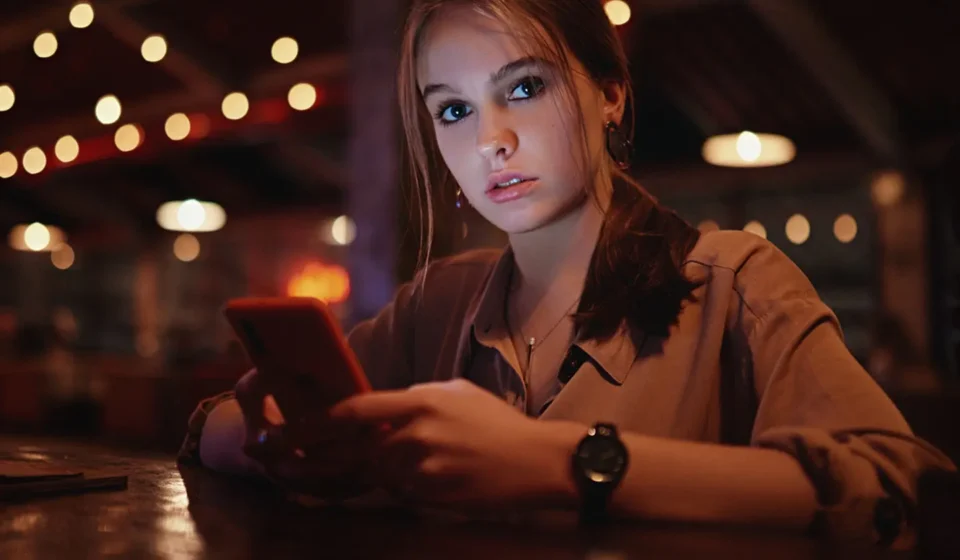

Photography Basics: Capturing Light and Shadows (2026 Guide)
Learn photography basics in 2026 with a focus on capturing light and shadows. Discover tips, techniques, and creative examples to improve your photos and elevate your visual storytelling.
Introduction: The Art of Light and Shadows in Photography
Photography is, at its core, the art of capturing light. Every stunning photo—from dramatic landscapes to intimate portraits—relies on understanding how light interacts with your subject. Shadows add depth, dimension, and emotion, turning ordinary scenes into extraordinary visuals.
In 2026, both amateur and professional photographers are exploring new techniques to master lighting, making images more engaging, creative, and shareable.
Whether you’re shooting with a DSLR, mirrorless camera, or even a smartphone, learning the basics of light and shadow is essential.
1. Understanding Light in Photography


Light is the building block of every photograph. Its direction, intensity, and color affect mood, composition, and clarity.
Types of Light
- Natural Light
- Sunlight is dynamic and changes throughout the day.
- Golden hour (early morning or late afternoon) offers warm, soft light ideal for portraits.
- Artificial Light
- Studio lights, lamps, or LED panels give control.
- Ideal for indoor photography and product shots.
- Mixed Light
- Combining natural and artificial light can create interesting contrasts and effects.
Light Direction
- Front light: Illuminates subject directly, reducing shadows.
- Side light: Creates texture and depth.
- Backlight: Adds drama and silhouettes.
2. Shadows: Adding Depth and Drama


Shadows are more than absence of light—they’re a tool to enhance your story.
Key Concepts:
- Soft Shadows: Subtle, created with diffused light.
- Hard Shadows: Sharp, dramatic, created with direct light.
- Shadow Play: Using patterns (like window blinds or foliage) to add interest.
Example:
Photographing a model with side lighting creates a three-dimensional look and emphasizes textures, like clothing or skin details.
3. Camera Settings to Master Light and Shadows


Understanding your camera is key to capturing light effectively.
Key Settings:
- Aperture (f-stop)
- Controls how much light enters the lens.
- Low f-number = shallow depth of field; high f-number = more background in focus.
- Shutter Speed
- Fast speed freezes motion.
- Slow speed captures motion blur or low-light details.
- ISO
- Adjusts sensor sensitivity.
- High ISO brightens dark scenes but adds noise.
Tips:
- Use manual mode for creative control.
- Adjust exposure compensation to prevent overexposed highlights or lost shadows.
4. Composition Techniques for Light and Shadows


1. Rule of Thirds
Place key subjects along grid lines to create balance and guide the viewer’s eye.
2. Leading Lines
Use shadows or light streaks to direct attention toward your subject.
3. Framing
Natural light or shadows can frame the subject creatively.
4. Contrast
High contrast between light and dark areas enhances drama and focus.
5. Using Golden and Blue Hours


- Golden Hour: Warm tones, soft shadows, ideal for portraits and landscapes.
- Blue Hour: Cool tones, perfect for urban and moody scenes.
Pro Tip:
Plan your shoots around these times for naturally striking lighting.
6. Creative Techniques with Shadows
1. Silhouettes
- Place the subject against strong backlight.
- Shadows define shapes, creating minimalistic yet powerful images.
2. Shadow Patterns
- Use objects like blinds, fences, or trees to cast geometric patterns.
3. Double Exposure
- Combine light and shadow creatively for surreal effects.
Example:
Street photographers in 2026 often capture reflections and shadows simultaneously for dramatic urban compositions.
7. Indoor Lighting Tips


- Use diffusers to soften harsh artificial light.
- Position lights at 45-degree angles for depth.
- Combine natural window light with lamps for balance.
Quick Hack:
White walls reflect light and reduce shadows, improving indoor shots.
8. Post-Processing Light and Shadow


Even perfectly captured images often need refinement.
Tools:
- Adobe Lightroom
- Photoshop
- Capture One
Techniques:
- Adjust exposure, highlights, and shadows
- Enhance contrast for drama
- Use dodge & burn to emphasize details
Example:
Boost shadows slightly to add depth in portrait photography without losing detail.
9. Practical Tips for Beginners
- Shoot in natural light whenever possible.
- Experiment with different angles of light.
- Observe shadows in daily life for inspiration.
- Keep a photography journal to track settings and results.
- Start with manual mode gradually to learn exposure control.
10. Advanced Trends in 2026 Photography
- AI-assisted light analysis: Cameras suggest optimal exposure automatically.
- HDR for mobile: Captures more detail in highlights and shadows.
- Drone photography: Unique perspectives with natural light patterns.
- Cinematic lighting techniques: Borrowed from film for dramatic effects.
11. Common Mistakes to Avoid
❌ Shooting at midday with harsh overhead sunlight
❌ Ignoring shadows completely
❌ Overexposing highlights
❌ Using automatic settings without understanding light
❌ Not experimenting with angles
Conclusion: Mastering Light and Shadows
Understanding light and shadows is essential to creating compelling images. Whether you’re shooting portraits, landscapes, or street photography, control over light is control over storytelling.
Final Thought:
In photography, light is your brush and shadows are your canvas. Master them, and you can create magic.
Action Plan for Beginners
- Study natural light at different times of day
- Practice shadow compositions in everyday settings
- Learn your camera’s manual exposure settings
- Experiment with post-processing tools
- Build a portfolio showcasing your light and shadow mastery
SEO Keywords (2026 Targeted)
- photography basics 2026
- capturing light and shadows
- beginner photography tips
- natural light photography
- creative photography techniques
- portrait lighting tips
- photography composition light shadow
- digital photography guide